Cameroon's Giant Showcasing the Nation's Biggest Wood Plant
Cameroon's Giant Showcasing the Nation's Biggest Wood Plant
Blog Article
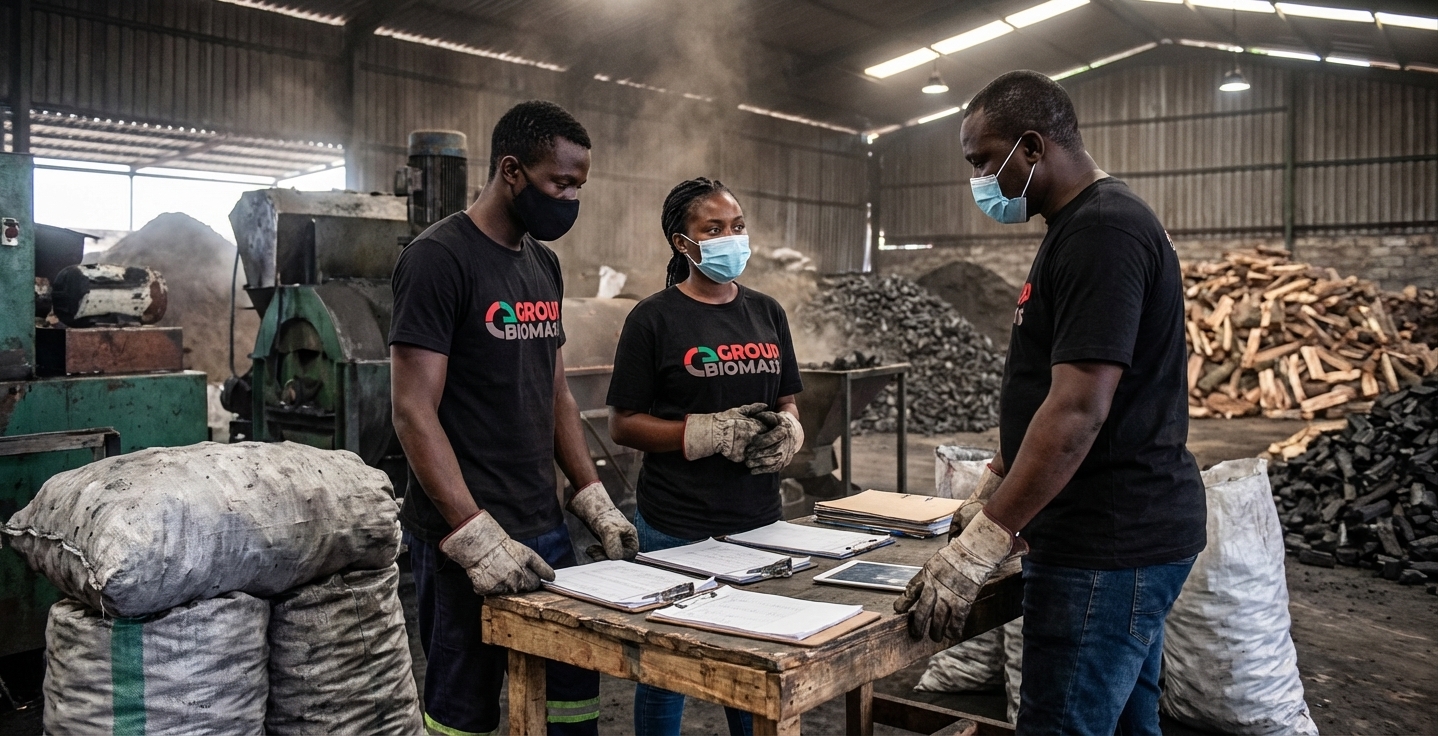
Deep within the nation , a substantial facility stands as a symbol to the rising demand for biomass. This production complex, reportedly the country’s premier wood factory , is raising attention for both its scale and the possible environmental ramifications. While offering employment for regional communities, the operation’s operations are triggering questions about ethical forest management and the overall well-being of the nation's natural resources.
Hardwood Briquet Charcoal Shipment Boom: The Rising Star
Cameroon is experiencing a substantial surge in hardwood lump carbon shipments, positioning itself as a key player in the global sector. Fueled by increasing demand from European United States and Pacific countries, the region’s production of this renewable fuel is rapidly increasing, offering new check here opportunities for local communities and strengthening the country's financial situation. The focus on sustainably sourced wood lump carbon is proving to be a essential element in securing foreign investors.
Inside Cameroon’s Hardwood Lump Charcoal Factory: Production & Sustainability
Stepping across a common Cameroon hardwood lump carbon factory reveals a rather straightforward method of manufacturing. Raw trees, often collected from sustainable areas, are carefully felled and transported to a furnace. Within this area, the wood is gradually cooked with minimal oxygen, a method that converts it as lump charcoal. While the traditional methods employed can be labor-intensive, growing new factories are integrating better processes and seeking methods to boost both efficiency and ecological conservation. This encompasses allocating in renewable power and applying strict waste management strategies.
Cameroon's Charcoal Industry : A Key Contributor in Worldwide Exports
Despite mounting environmental anxieties, Cameroon’s lump charcoal sector remains a surprising and vital contributor in the global sales arena . The production of charcoal from trees is a critical origin of income for thousands of the nation's communities, particularly in rural regions . This operation generates a substantial amount of charcoal heading for international destinations , often providing cooking needs in other countries , though this need creates problems relating to woodland depletion and eco-friendly tree stewardship .
Le Entre Charbon de Bois Lump de Bois Dur et Les Briquettes Une Point de Vue Camerounaise
Dans le pays, le sélection entre le charbon de bois massif et les briquettes pose une interrogation . Traditionnellement, , le charbon de bois a toujours été préféré afin de ses arôme distinctif et sa aptitude à créer une chaleur intense , appropriée pour la rôtisseries régionales. Toutefois, les briquettes , davantage disponibles de obtenir et plus chères , attirent en popularité , notamment auprès les zones modernes.
Eco-friendly Charcoal Creation : The Future of Cameroon Forest Industry
The traditional method of charcoal creation in Cameroon presents a major threat to its valuable hardwood woodlands . However, new sustainable techniques offer a promising path forward. These include technologies like agricultural waste processing and kiln-less earth kilns , which reduce deforestation, decrease emissions, and offer financial opportunities for local villagers. Embracing these eco-friendly solutions is critical to preserving Cameroon's precious heritage and securing the long-term future of its hardwood business while tackling climate impacts .
Report this page